From a poem by Erin Hanson,
Reverie (The Poetic Underground #1)
“There is freedom waiting for you,
On the breezes of the sky,
And you ask "What if I fall?"
Oh but my darling,
What if you fly?”
One Art
The art of losing isn’t hard to master;
so many things seem filled with the intent
to be lost that their loss is no disaster.
Lose something every day. Accept the fluster
of lost door keys, the hour badly spent.
The art of losing isn’t hard to master.
Then practice losing farther, losing faster:
places, and names, and where it was you meant
to travel. None of these will bring disaster.
I lost my mother’s watch. And look! my last, or
next-to-last, of three loved houses went.
The art of losing isn’t hard to master.
I lost two cities, lovely ones. And, vaster,
some realms I owned, two rivers, a continent.
I miss them, but it wasn’t a disaster.
–Even losing you (the joking voice, a gesture
I love) I shan’t have lied. It’s evident
the art of losing’s not too hard to master
though it may look like (Write it!) like disaster.
~ Elizabeth Bishop
I can imagine the Plastic Bag gyring and gimbling in the wabes, chortling amongst its beamish polymerous companions.’Twas brillig, and the slithy toves
Did gyre and gimble in the wabe;
Jabberwocky
’Twas brillig, and the slithy toves
Did gyre and gimble in the wabe;
All mimsy were the borogoves,
And the mome raths outgrabe.
“Beware the Jabberwock, my son!
The jaws that bite, the claws that catch!
Beware the Jubjub bird, and shun
The frumious Bandersnatch!”
He took his vorpal sword in hand:
Long time the manxome foe he sought—
So rested he by the Tumtum tree,
And stood awhile in thought.
And as in uffish thought he stood,
The Jabberwock, with eyes of flame,
Came whiffling through the tulgey wood,
And burbled as it came!
One, two! One, two! and through and through
The vorpal blade went snicker-snack!
He left it dead, and with its head
He went galumphing back.
“And hast thou slain the Jabberwock?
Come to my arms, my beamish boy!
O frabjous day! Callooh! Callay!”
He chortled in his joy.
’Twas brillig, and the slithy toves
Did gyre and gimble in the wabe;
All mimsy were the borogoves,
And the mome raths outgrabe.

(They were were so much more direct in 1794, no?)There was an old woman who lived in a shoe.
She had so many children, she didn't know what to do;
She gave them some broth without any bread;
Then whipped them all soundly and put them to bed.
The earliest printed version in Joseph Ritson's Gammer Gurton's Garland in 1794 has the coarser last line:She whipp'd all their bums, and sent them to bed.from Wikipedia

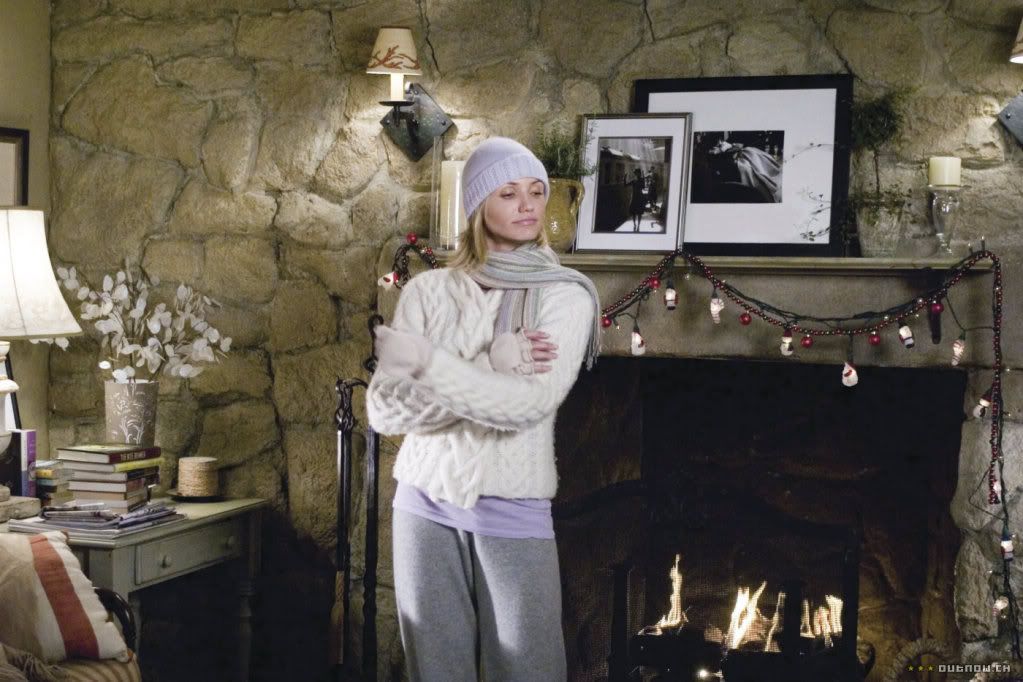
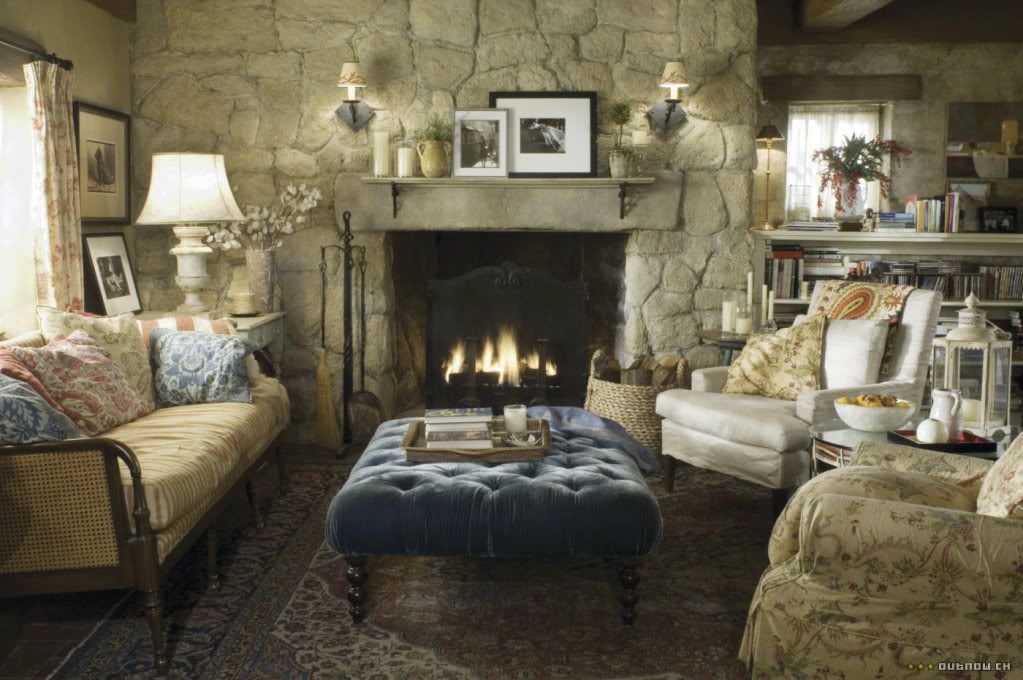


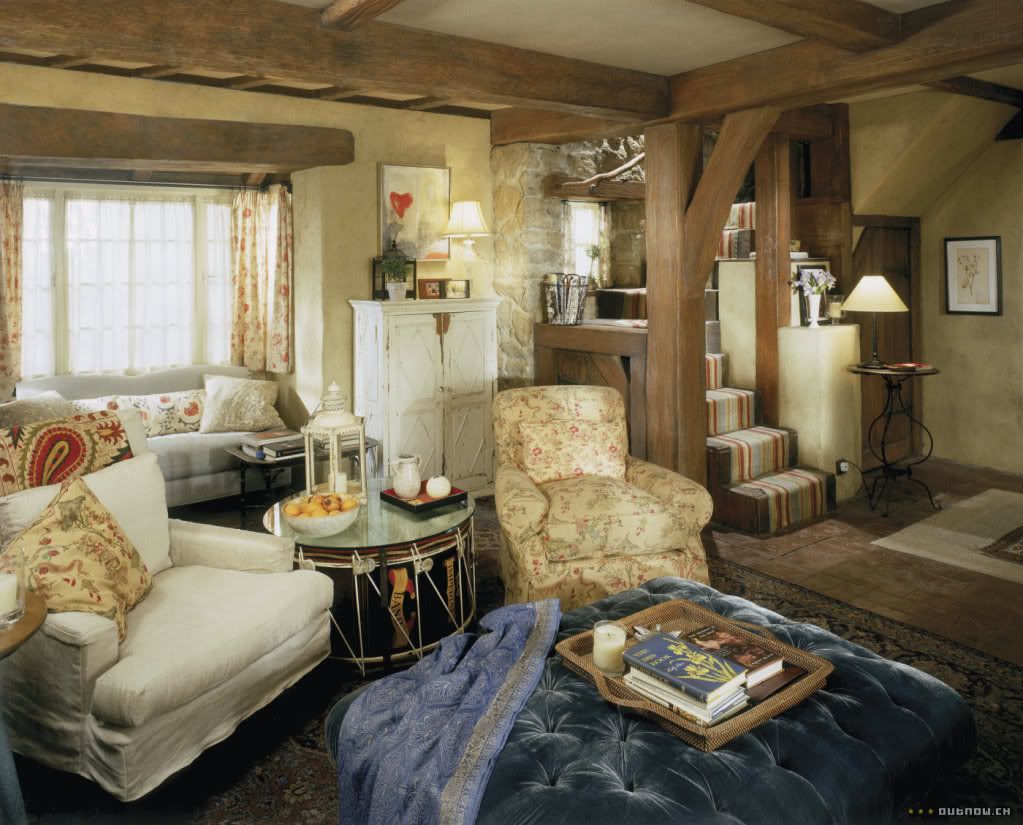
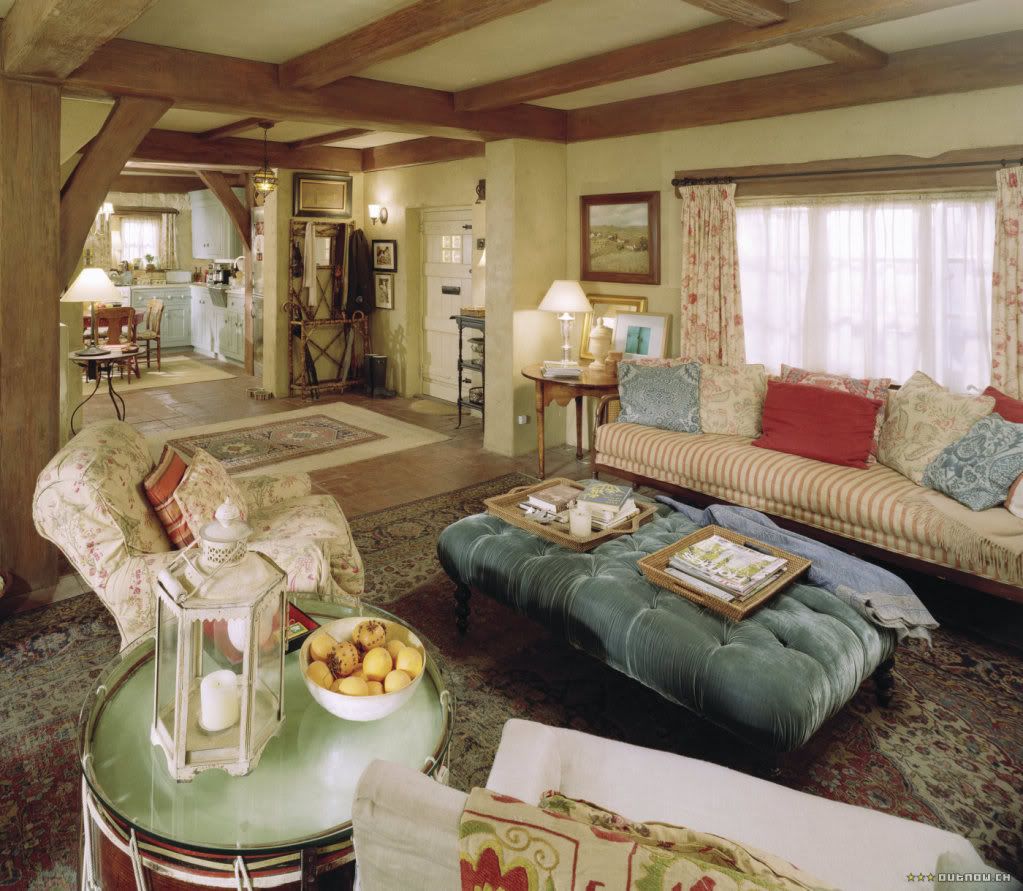
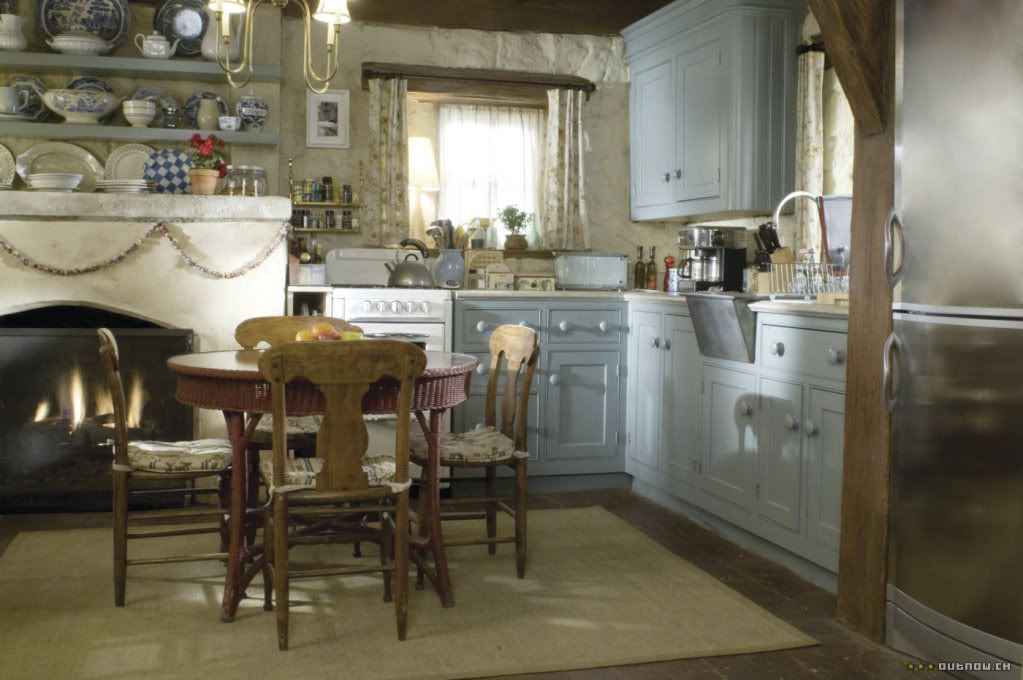
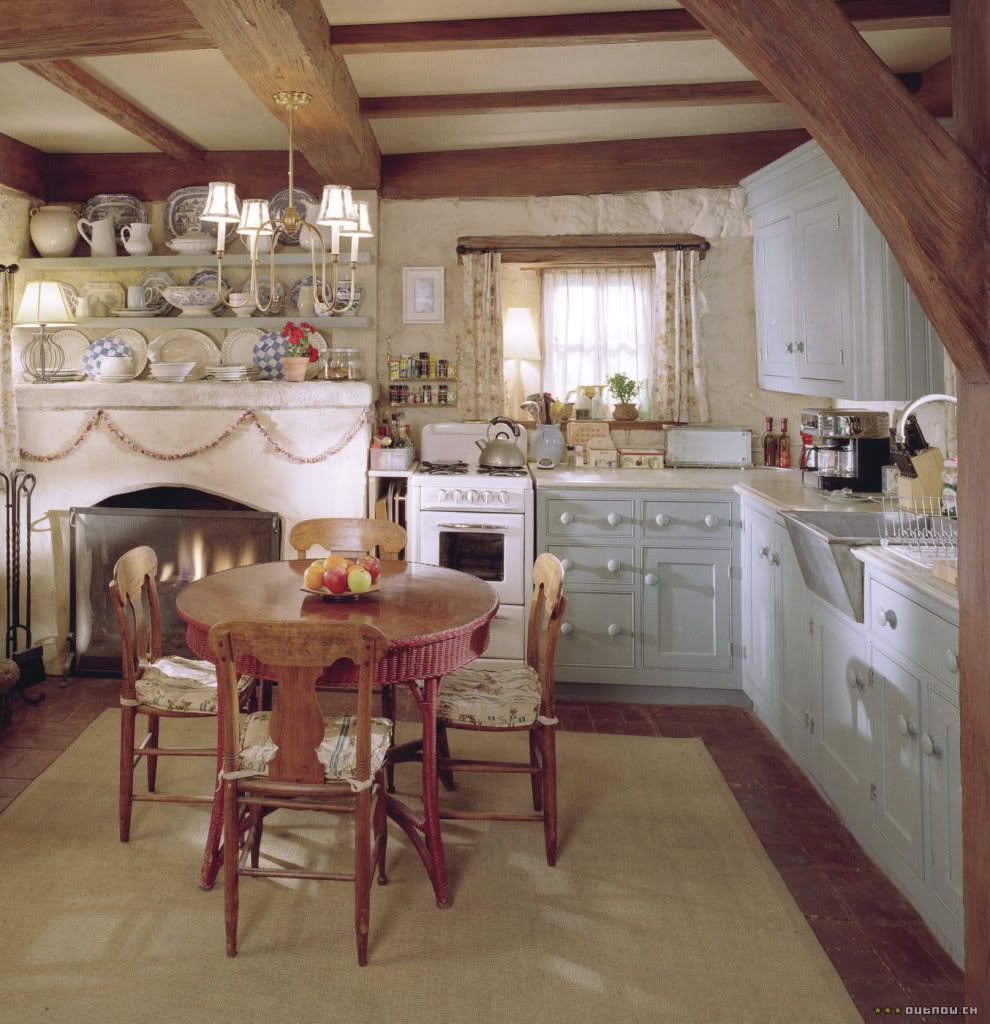
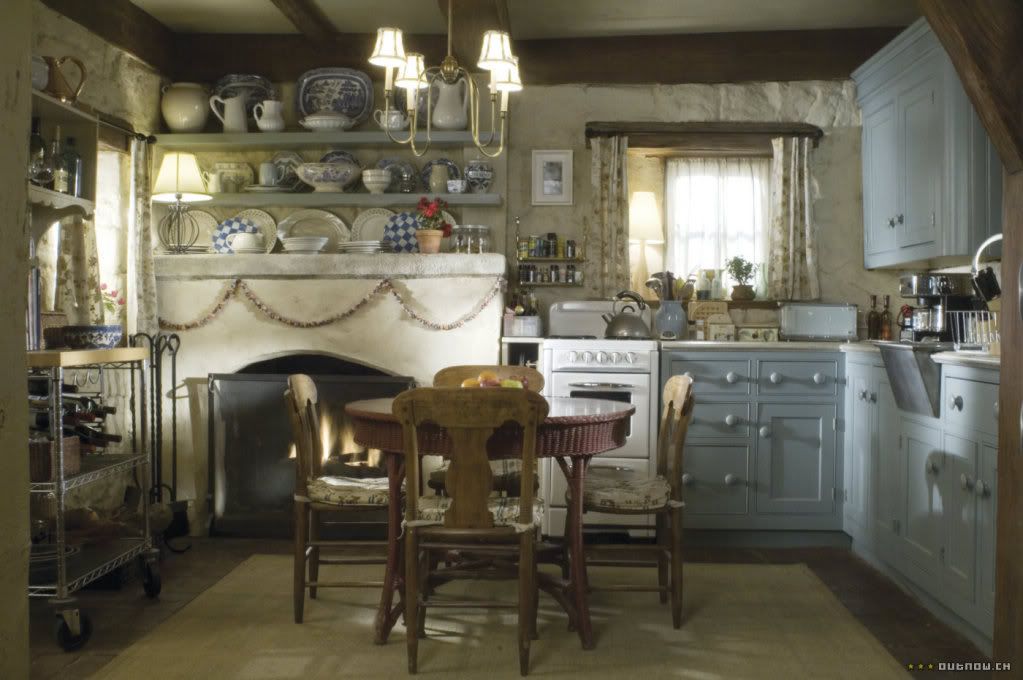
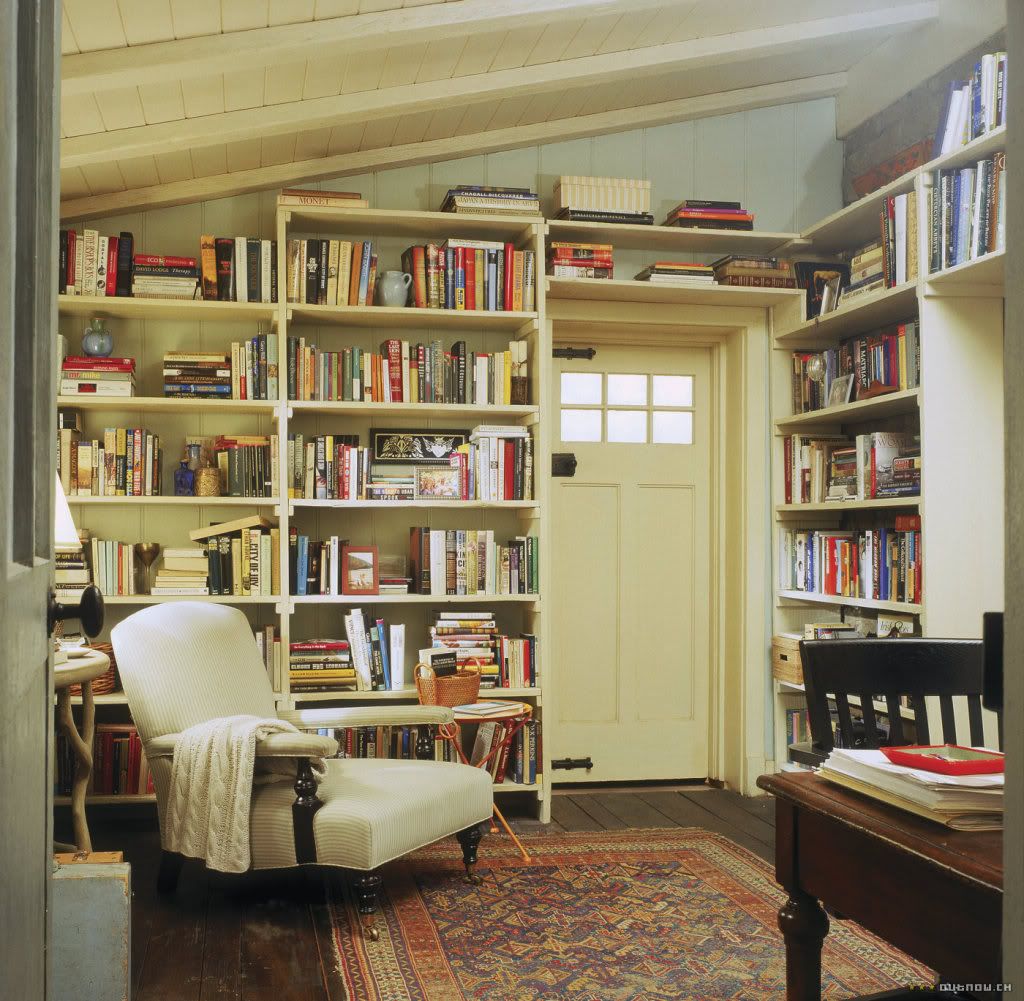



Rather up-to-date, considering the magnetic poles' movement with the Chilean earthquake.It's so unkind of scienceTo go and interfere!What if the poles should frisk aboutAnd stand upon their heads!I hope I'm ready for the worst,Whatever prank betides!— Emily Dickinson
Affonso Romano de Sant'Anna
A implosão da mentira
É um presidente que mente, mente
de corpo e alma, completamente.
E mente de maneira tão pungente
que a gente acha que ele mente sinceramente.
Mas que mente, sobretudo, impunemente...
E mente tão nacionalmente,
que acha que mentindo história afora
vai nos enganar eternamente.
Nothing to Do
--- by Shel Silverstein
Nothing to do?
Nothing to do?
Put some mustard in your shoe,
Fill your pockets full of soot,
Drive a nail into your foot,
Put some sugar in your hair,
Place your toys upon the stair,
Smear some jelly on the latch,
Eat some mud and strike a match,
Draw a picture on the wall,
Roll some marbles down the hall,
Pour some ink in daddy's cap ---
Now go upstairs...
... and take a nap.
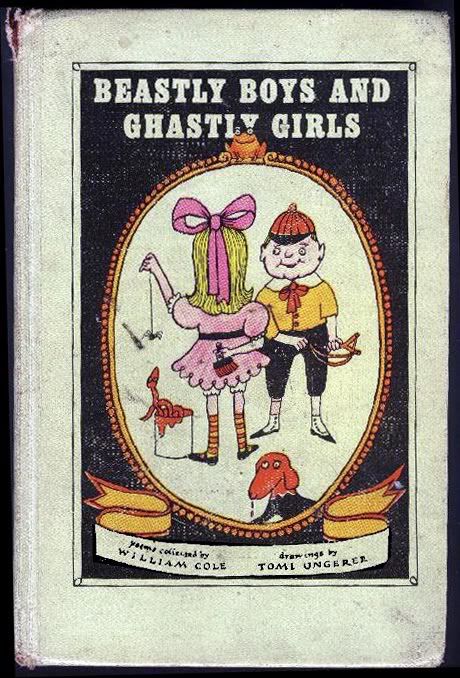
--- Cole, William. Beastly Boys and Ghastly Girls, 1964
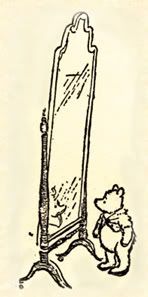
A bear, however hard he tries,
Grows tubby without exercise.
Our Teddy Bear is short and fat
Which is not to be wondered at;
He gets what exercise he can
By falling off the ottoman,
But generaly seems to lack
The energy to clamber back.
Now tubbiness is just the thing
Which gets a fellow wondering;
And Teddy worried lots about
The fact that he was rather stout.
He thought: "If only I were thin!
But how does anyone begin?"
He thought: "It really isn't fair
To grudge me exercise and air."
For many weeks he pressed in vain
His nose agaisnt the window-pane.
And envied those who walked about
Reducing their unwanted stout.
None of the people he could see
"Is quite" (he said) "as fat as me!"
Then, with a still more moving sigh,
"I mean" (he said) "as fat as I!"
Now Teddy, as was only right,
Slept in the ottoman at night,
And with him crowded in as well
More animals than I can tell;
Not only these, but books and things,
Such as a kind relation brings—
Old tales of "Once upon a time,"
And history retold in rhyme.
One night it happened that he took
A peep at an old picture-book,
Wherein he came across by chance
The picture of the King of France
(A stoutish man) and, down below,
These words: "King Louis So and So,
Nicknamed 'The Handsome' " There he sat,
And (think of it!) the man was fat!

Our bear rejoiced like anything
To read about this famous King,
Nicknamed "The Handsome." There he sat,
And certainly the man was fat.
Nicknamed "The Handsome." Not a doubt
The man was definetly stout.
Why then, a bear (for all his tub)
Might yet be named "The Handsome Cub!"
"Might yet be named." Or did he mean
That years ago he "might have been"?
For now he felt a slight misgiving:
"Is Louis So and So still living?
Fashions in beauty have a way
Of altering from day to day.
Is 'Handsome Louis' with us yet?
Unfortunately I forget."
Next morning (nose to window-pane)
The doubt occured to him again.
One question hammered in his head:
"Is he alive or dead?"
Thus, nose to pane, he pondered; but
The lattice window, loosely shut,
Swung open. With one startled "Oh!"
Our Teddy disappeared below.
There happened to be passing by
A plump man with a twinkling eye,
Who, seeing Teddy in the street,
Raised him politely to his feet,
And murmured kindly in his ear
Soft words of comfort and of cheer:
"Well, well!" "Allow me!" "Not at all."
"Tut-tut!" "A very nasty fall."
Our Teddy answered not a word;
It's doubtful if he even heard.
Our bear could only look and look:
The stout man from the picture-book!
That "handsome" King—could this be he,
This man of adiposity?
"Impossible," he thought. "But still,
No harm in asking. Yes I will!"
"Are you, " he said, "by any chance
His majesty the King of France?"
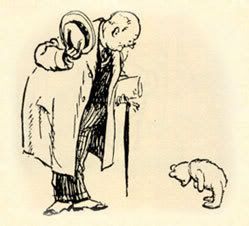
The other answered, "I am that,"
Bowed stiffly, and removed his hat;
Then said, "Excuse me" with an air,
"But is it Mr. Eduard Bear?"
And Teddy, bending very low,
Replied politely, "Even so!"
They stood beaneath the window there,
The King and Mr. Edward Bear,
And, handsome, if a trifle fat,
Talked carelessly of this and that ...
Then said His Majesty, "Well, well,
I must get on," and rang the bell.
"Your bear, I think," he smiled. "Good-day!"
And turned, and went upon his way.
A bear, however hard he tries,
Grows tubby without exercise.
Our Teddy Bear is short and fat,
Which is not to be wondered at.
But do you think it worries him
To know that he is far from slim?
No, just the other way about—
He's proud of being short and stout.

Solo for a Saturday Night Guitar
Time was. Time is. Time shall be.
Man invented time to be used.
Love was. Love is. Love shall be.
Yet no man never invented love
Nor is love to be used like time.
A clock wears numbers one to twelve
And you look and read its face
And tell the time pre-cise-ly ex-act-ly.
Yet who reads the face of love?
Who tells love numbers pre-cise-ly ex-act-ly?
Holding love in a tight hold for keeps,
Fastening love down and saying
"It's here now and here for always."
You don't do this off-hand, careless-like.
Love costs. Love is not so easy
Nor is the shimmering of star dust
Nor the smooth flow of new blossoms
or the drag of a heavy hungering for someone.
Love is a white horse you ride
or wheels and hammers leaving you lonely
or a rock in the moonlight for rest
or a sea where phantom ships cross always
or a tall shadow always whispering
or a circle of spray and prisms ---
maybe a rainbow around your shoulders
Heavy heavy is love to carry
and light as one rose petal.
light as a bubble, a blossom,
a remembering bar of music
or a finger or a wisp of hair
never forgotten.
Carl Sandburg,
American, 1878-1967
my-ness
My parents, my husband, my brother, my sister.
I am listening in a cafeteria at breakfast.
The women's voices rustle, fulfill themselves
In a ritual no doubt necessary.
I glance sidelong at their moving lips
And delight in being here on earth
For one more moment, with them, here on earth,
To celebrate our tiny, tiny my-ness.
Czeslaw Milosz,
Polish, b. 1912